Hi there! 👋

I’m the Cyber Security and Quality Assurance Team Leader at the Brazilian Development Bank (BNDES), and an independent researcher in cyber security and software engineering (Ph.D.).

I write about release engineering, cyber security, DevSecOps, agile, infrastructure as code, and the practice of leading engineering teams.

Read more on the about page.

Cover illustration for the post

Keeping Knowledge in the Room: Three Practices for Infrastructure Teams

I have been leading infrastructure and security teams for over a decade, and one problem keeps coming back: knowledge does not spread on its own. Unlike a development team where everyone shares a stack, an infrastructure team is a collection of specialists, each owning a different product. When that specialist takes a vacation – or leaves – their knowledge often walks out with them. In this post I share what I have learned about why knowledge management is harder in infrastructure teams and the practices that have helped my teams keep knowledge in the room. ...

May 11, 2026 · Felipe Curty
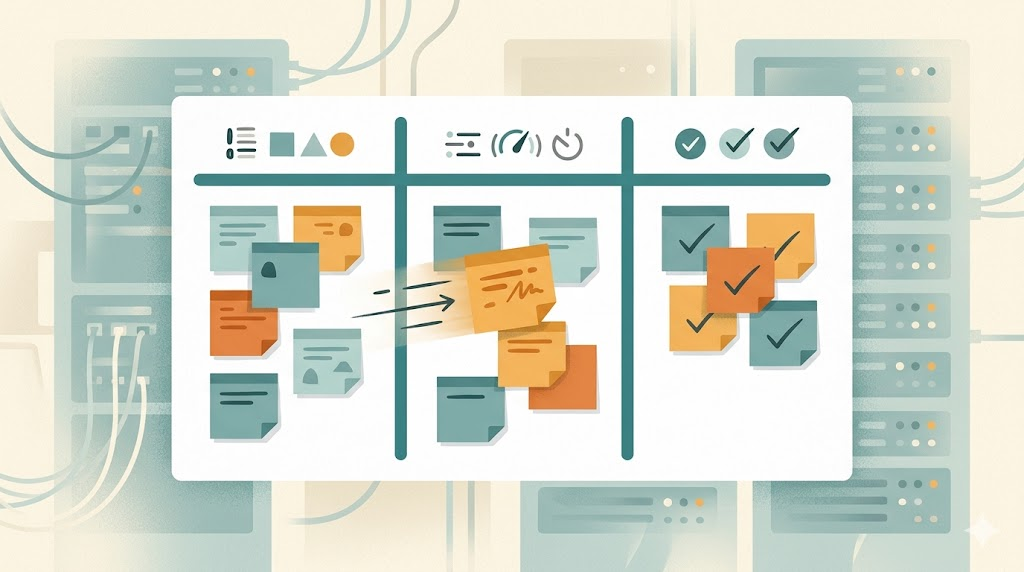
A kanban board with three columns, sticky notes moving between them, and faded server racks in the background

Kanban for Infrastructure Teams

When I started leading an IT infrastructure team and introduced Kanban, I quickly realized that adopting agile methods would be far from trivial. Most Kanban guidance assumes a development team shipping features, but infrastructure work is heterogeneous, interrupt-driven, and partly executed by contractors – a mix that a standard board does not accommodate without adaptation. I faced several challenges and, over time, found a few adjustments that helped the team align around shared goals and keep work moving. ...

July 25, 2023 · Last updated on May 13, 2026 · Felipe Curty
Research files flowing upward into a glowing cloud archive marked with a DOI tag

Uploading to Zenodo through API

Zenodo is a free repository to share scientific data. It enables researchers to upload an almost unlimited amount of data and suits pretty well to share research datasets. In this article, I explain how to use the Zenodo API to share a dataset. We need to create a deposit to upload data to Zenodo. The deposit is the publication itself. It contains title, date, authors, DOI, description, and much other optional metadata. Once created, we can upload files to the deposit. ...

January 1, 2021 · Felipe Curty
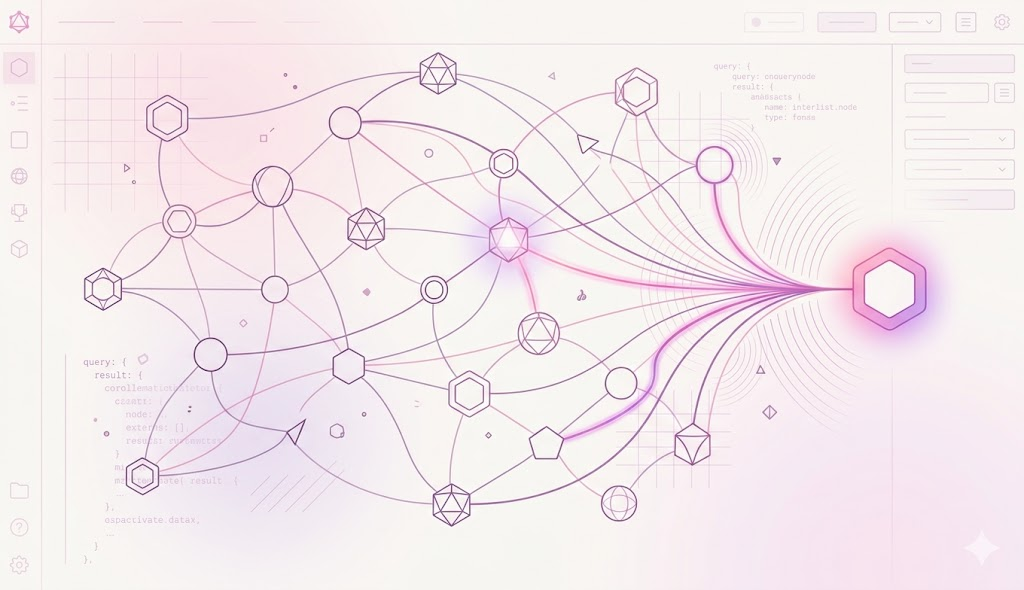
An abstract graph data structure with branching nodes, one path highlighted as a returned query result

Getting started to GitHub GraphQL API

The GitHub GraphQL API (aka GitHub API v4) is a significant improvement on its API and enables researchers to interact with GitHub more efficiently. Although similar results can be achieved with the old API, depending on the required data, researchers need to make the first query and then make subqueries to fetch corresponding data, leading to problems with the API rate limits. The great advantage of using the new API is that GraphQL enables one to specify the returning data, sparing the need for subqueries to fetch corresponding data. ...

July 26, 2020 · Felipe Curty